

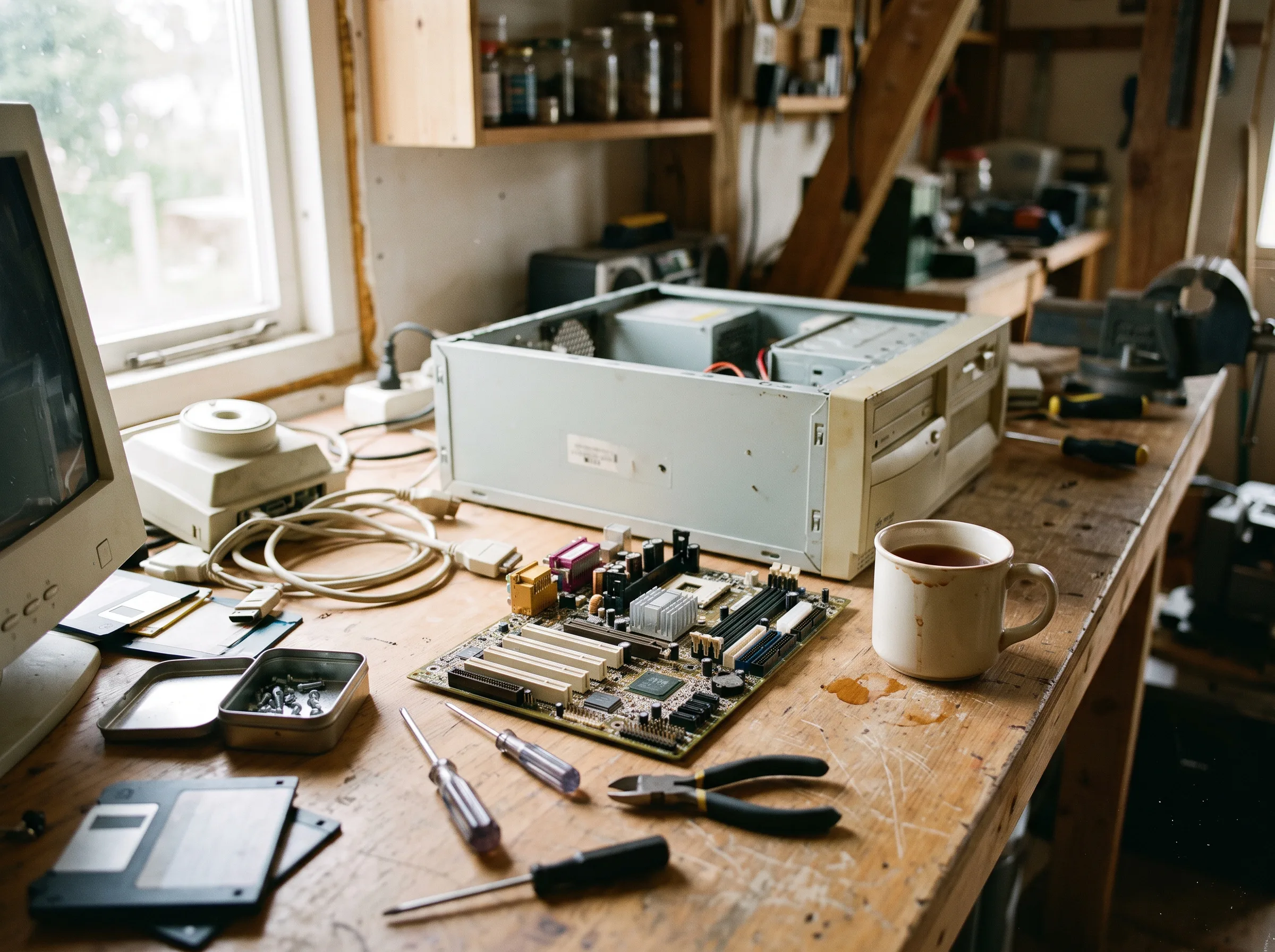
Linux 7.2 has landed, dragging x86 timing clean out of the nineties by making the Time Stamp Counter mandatory.
I wrote up a quick article on why ditching those ancient legacy fallbacks is good housekeeping, plus a few other bits like cache-aware scheduling and memory tweaks worth noting.
Is anyone still using legacy hardware? If so, what do you use it for?
Lots of retro enthusiasts still use legacy hardware for all sorts of reasons… I fear that a fork of the kernel will be necessary in the near future to keep these machines running.
The notion of using Linux to revive old hardware and keep it out of the landfill may not last forever…
And why do they need to use the latest Linux kernel for that hardware, again?
Security updates if you use it online or copy new binaries to run on it. Even if you’re not worried about hackers, there can still be viruses and malware that destroy your data.
There are LTS versions outside of current.
But more importantly, who runs anything remotely critical on a 486 these days? These machines choke to death on TLS handshakes.
Or just don’t connect to the public internet and continue using a kernel that works? Even with internet, the attack vectors for such a machine are nearly non existent.
I do agree. Maybe I’m little paranoid, but I feel like in some years, recycle old chips will be the only IT available
There are ultra long term support Linux kernels though.
Linux 6.12 will be supported until at least 2036 for instance.
Just use NetBSD and never look back :)
Linux supports much less old hardware than its competitors.
I don’t know why you’re getting downvoted?
NetBSD
OpenBSD
On the other hand, Linux runs more software than its competitors, and it’s not even close.
But NetBSD and FreeBSD can run Linux software as well?