Linux 7.2 has landed, dragging x86 timing clean out of the nineties by making the Time Stamp Counter mandatory.
I wrote up a quick article on why ditching those ancient legacy fallbacks is good housekeeping, plus a few other bits like cache-aware scheduling and memory tweaks worth noting.
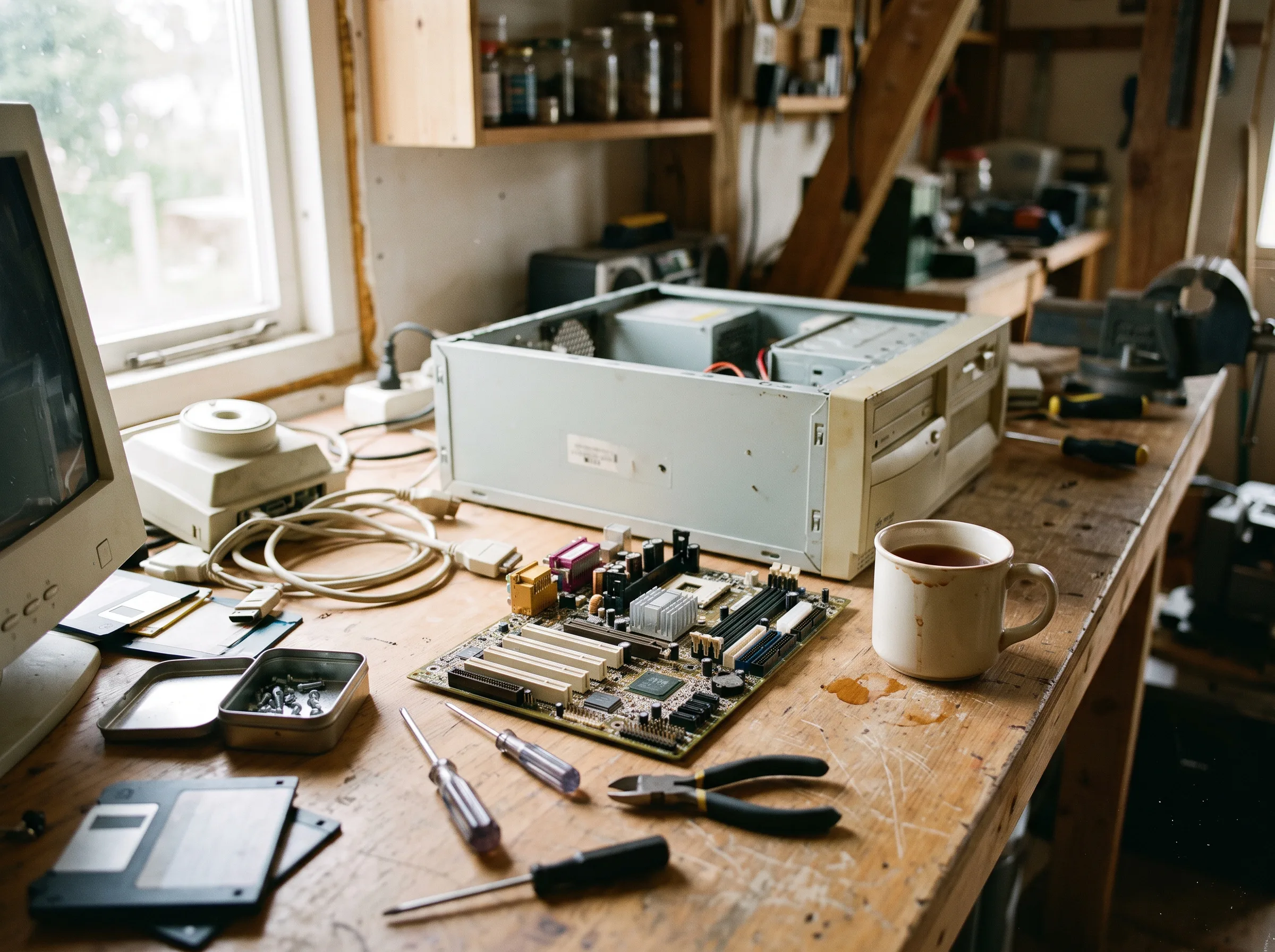
Is anyone still using legacy hardware? If so, what do you use it for?
It makes more sense to do this in a major upgrade like from kernel 6 to 7 but some cleanup is good.
major upgrade like from kernel 6 to 7
What do you mean? The Linux kernel doesn’t follow SemVer.
The 6.19 -> 7.0 version bump didn’t have any more inherent meaning than 7.0 -> 7.1 or 7.1 -> 7.2.
Yay, reduced functionality 🥳
You know, Windows98 is still available
on archive.org
I’m sure you’ll be devastated to learn that Linux stopped supporting the i386 in 2012.
Virtually nobody is going to run kernel 7.2 on a 90s CPU without a time stamp chip. Its good practice to prune old and largely unused features once and a while
Why on earth you are still relying on 30+ year old CPU’s? Are you a supermarket owner on a third world country?
Some people are.
Yeah God forbid the poor still use a secure and updated OS…
Yup. Linux isn’t what used to be anymore.
"downvotes won’t change the reality, corpo boot lickers
This happens every time I point put that losing these “old” kernel capabilities is in fact a loss.
Let them be stupid about it, all the code still exists to undo these bad decisions one day. It’ll just be more work than it would otherwise be to fix what they broke.
I put them in the same category as AI sycophants, they can’t see three feet beyond their own nose.